November 17, 2026
As crisp breezes sweep across neighborhoods and deciduous canopies shed their vibrant foliage, homeowners often turn their attention toward essential outdoor maintenance chores. Preparing landscape greenery before harsh conditions settle across the region ensures that beloved plantings endure bitter winter frosts and destructive ice storms without suffering catastrophic structural damage. Many property owners mistakenly assume that dormant plants require little human intervention when leaves drop, yet cold soil conditions and biting winds create significant physiological stress for unattended trees. Implementing an intentional autumn regimen preserves root health, minimizes branch breakage during sudden blizzards, and fortifies vegetative defenses ahead of prolonged subfreezing temperatures. Taking proactive measures safeguards neighborhood aesthetics while defending mature landscape specimens from unnecessary winter decline.
Proactive property stewards understand that addressing canopy health during mild autumn afternoons yields tremendous dividends when spring warmth finally revives the landscape. Partnering with a knowledgeable local tree service gives property owners access to specialized diagnostic insights that uncover hidden canopy flaws before winter blizzards strike. By identifying weakened branch unions, depleted soil moisture levels, and compromised trunk bark ahead of time, homeowners avoid devastating tree failures that endanger residences, vehicles, and pedestrian pathways. Taking decisive action while the soil remains workable guarantees that landscape specimens transition smoothly into cold weather dormancy.
Saturate Root Zones Thoroughly During Autumn
Extended droughts during late summer and early autumn deplete underground moisture reserves, leaving root systems dangerously vulnerable to winter desiccation. When frozen ground prevents moisture absorption during deep winter, evergreen foliage and deciduous vascular systems lose hydration to dry winds without any mechanism for natural replenishment. Property owners must hydrate their landscape plants deeply while ambient temperatures remain comfortable and soils remain unfrozen. Slow, deliberate applications of water around root zones encourage liquid penetration deep into the subsoil, reaching peripheral feeder roots that sustain the entire organism. Adequately saturated root systems maintain cellular turgor pressure, which significantly limits needle drop and branch dieback during frigid conditions.
Targeting the soil directly beneath the outer canopy perimeter proves far more beneficial than sprinkling moisture against the main trunk base. Enlisting the guidance of a dedicated local tree service can help homeowners determine exact moisture requirements based on soil texture, drainage characteristics, and unique species demands. Soaking the earth thoroughly until the arrival of hard frost provides root systems with the essential moisture reservoir necessary to survive months of frozen earth. Healthy subterranean roots fortified with ample hydration demonstrate exceptional resilience against frost heaving, cold damage, and persistent winter drying.
Apply Organic Mulch Around Base Areas
Spreading a thick layer of natural mulch creates a protective thermal blanket that buffers sensitive root zones against fluctuating ambient temperatures. Rapid freeze and thaw cycles often heave shallow roots above the surface of the soil, exposing delicate tissues to biting winds and lethal frosts. Decomposing wood chips, shredded hardwood bark, and composted leaves gradually enrich surrounding soil chemistry while maintaining consistent moisture levels throughout cold winter spans. A well-planned mulching application suppresses aggressive cool-season weeds that compete with dormant root networks for vital ground nutrients and moisture. Maintaining stable ground temperatures prevents premature root dormancy breaks during deceptive midwinter warm spells.
Homeowners must exercise care to avoid piling mulch directly against trunk flares, as excessive moisture accumulation against bark encourages decay, fungal infection, and small rodent infestations. Consulting an established local tree service ensures that mulch materials are applied at an ideal depth across the broad root perimeter without suffocating vulnerable bark tissue. When mulch resembles a gentle saucer rather than an unnatural volcano, rainfall and melting snow distribute evenly across the root zone rather than shedding away uselessly. Relying on guidance from a reliable local tree service prevents costly cultural mistakes that inadvertently compromise long-term plant longevity.
Prune Compromised Branches to Prevent Damage
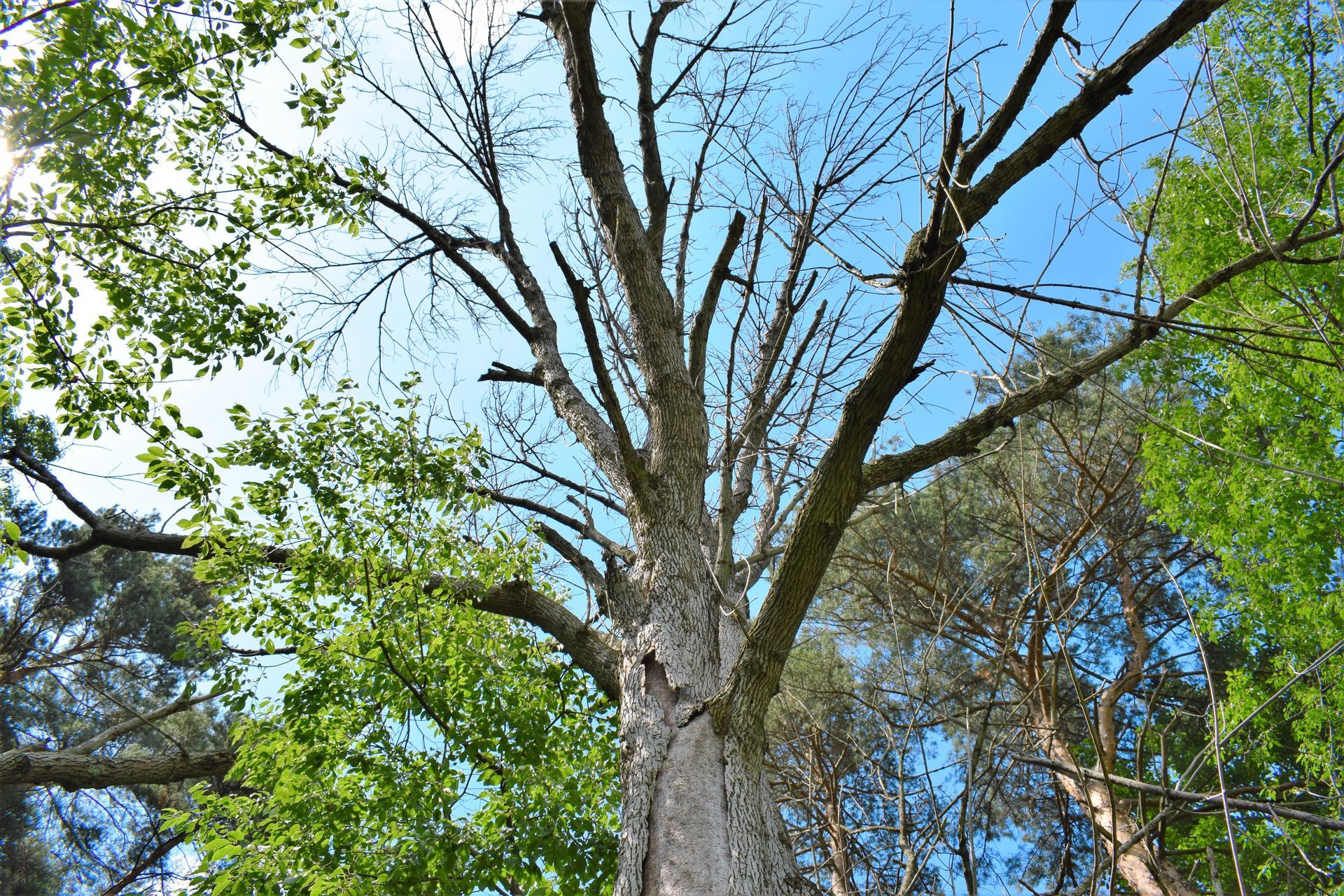
Autumn provides an outstanding window of opportunity to inspect overhead canopies for deadwood, cracked limbs, and decaying structural attachments. Dense accumulations of heavy snow and freezing ice exert immense physical pressure on overhead branches, causing compromised limbs to snap and crash unexpectedly. Selective branch thinning reduces overall wind resistance during winter gales, allowing violent gusts to pass harmlessly through the open canopy architecture. Eliminating diseased wood prior to winter slumber also halts the spread of pathogens that would otherwise multiply when spring temperatures begin to rise. Proactively eliminating structural weaknesses relieves mechanical strain on central trunks and preserves natural crown architecture.
Managing large canopy elements requires strict adherence to industry safety protocols and specialized cutting techniques. Indeed, according to This Old House, specimens surpassing 30 feet in vertical stature frequently demand specialized machinery, present elevated removal hazards, and generate massive volumes of debris. Homeowners attempting to tackle towering tree crowns without proper fall protection gear and hydraulic equipment expose themselves and their properties to extreme physical dangers. Hiring a skilled local tree service ensures that dangerous canopy reductions proceed safely without damaging overhead power lines, roofs, or surrounding structures.
Professional arboricultural crews utilize rigging lines, crane assistance, and sharp sterilised tools to execute clean cuts outside the branch bark ridge. Improper flush cuts or leaving jagged stubs impedes natural compartmentalization, leaving expansive internal wounds that invite opportunistic insects and wood-decaying fungi. Engaging an accredited local tree service guarantees that corrective cuts preserve tree health while mitigating hazardous winter breakage throughout the entire yard. Strategic autumn pruning ultimately restores canopy balance, enhances aesthetic appeal, and brings lasting peace of mind during violent seasonal storms.
Protect Vulnerable Bark From Temperature Swings
Young saplings and species with thin bark frequently suffer from sunscald when bright winter sunlight warms trunk tissues on clear afternoons. As solar radiation reflects off of white snowbanks, trunk temperatures rise rapidly, coaxing dormant cells into premature metabolic activity. When dusk arrives and temperatures plunge abruptly below freezing, these active vascular cells freeze and rupture, resulting in extensive vertical bark splits. Wrapping lower trunks in breathable corrugated tree guards or specialized light-colored paper wraps shields developing bark from acute thermal shocks. Shielding sensitive bark prevents deep fissures that expose underlying vascular layers to decay organisms and harsh winter winds.
Beyond temperature fluctuations, winter landscapes present serious biological threats from foraging wildlife searching desperately for nourishment beneath deep snow blankets. Mice, voles, rabbits, and deer regularly gnaw on tender trunk bark, stripping vascular cambium layers and potentially girdling valuable landscape investments. Working alongside a responsive local tree service allows homeowners to install protective hardware cloth barriers that keep hungry critters safely at bay until spring greens emerge. Combining physical wraps with sturdy hardware barriers ensures comprehensive defense against both environmental hazards and predatory seasonal wildlife.
Preparing landscape plantings for the hardships of winter demands thoughtful observation, proper soil conditioning, and timely structural care. By thoroughly hydrating root systems, insulating soil beds, eliminating dangerous deadwood, and wrapping sensitive trunks, property owners protect their living investments from severe seasonal stress. Entrusting complex canopy evaluations to an experienced
local tree service guarantees that every specimen receives precise care tailored to its species requirements and microclimate. A healthy outdoor environment not only withstands the harshest blizzards but also awakens with unmatched beauty and vitality when warmer months arrive.
At Dailey Tree Care, our dedicated arborists stand ready to safeguard your valuable landscape assets through every harsh winter freeze. Contact our team today to schedule an autumn inspection and discover how our preventative treatments enhance the safety and longevity of your outdoor environment. Together, we can protect your property from sudden storm damage while preserving the natural beauty of your majestic trees for years to come.